






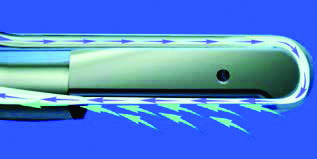
Selects: Target necrotic tissue and debris using the localized vacuum1,2
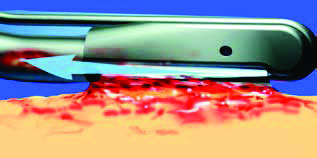
Excises: Ablate nonviable tissue with precision1,2
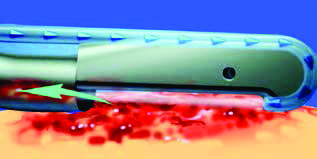
Evacuates: Remove debris and slough while preserving viable tissue1,2
Precise excision
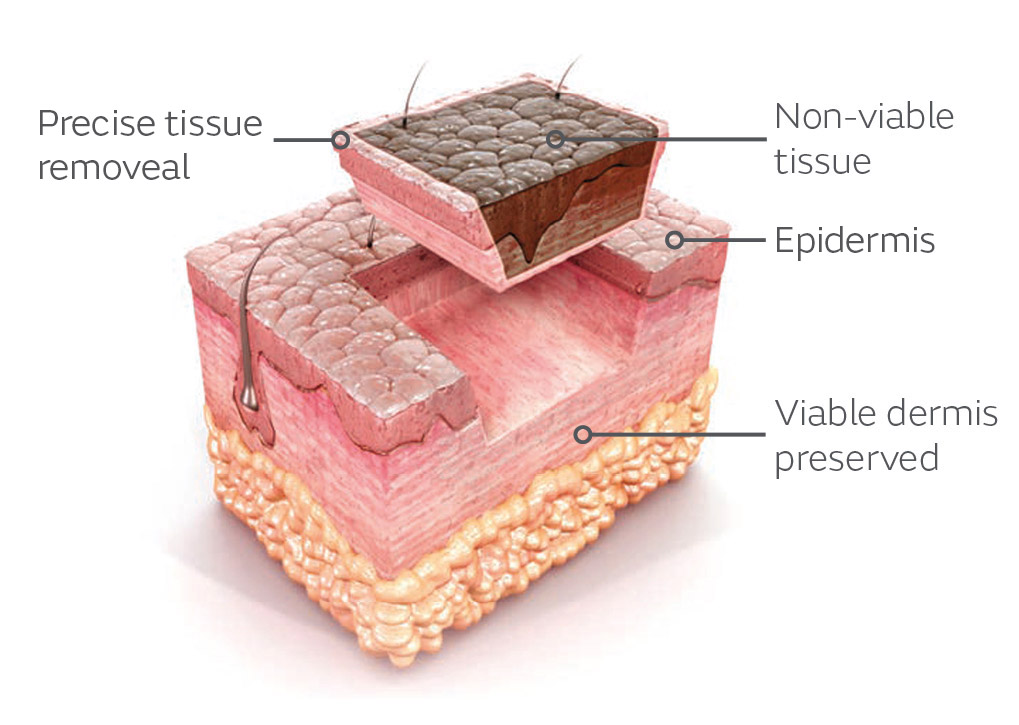
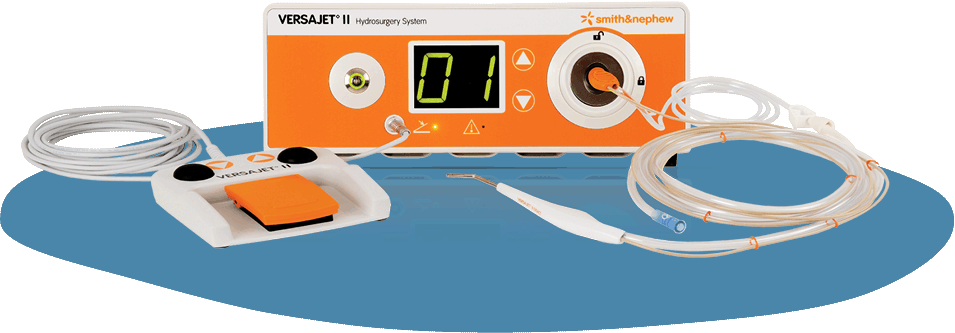
The VERSAJET Hydrosurgery System provides controlled debridement and facilitates precise excision of necrosis and other unwanted material from the wound surface, preserving viable tissue.1,2
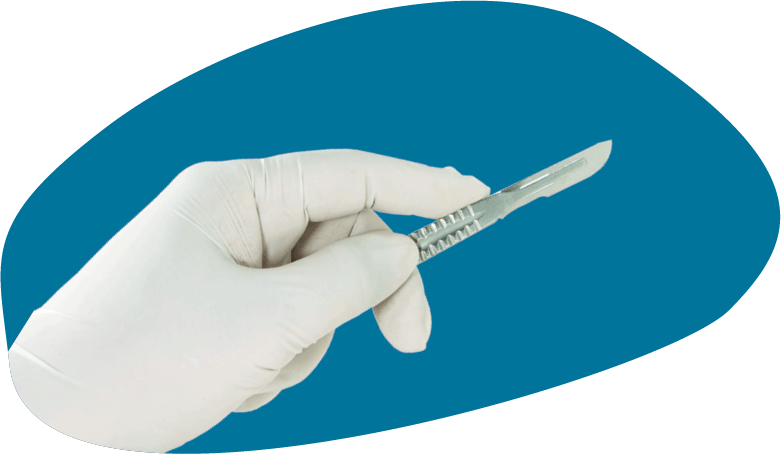
Conventional surgical excision
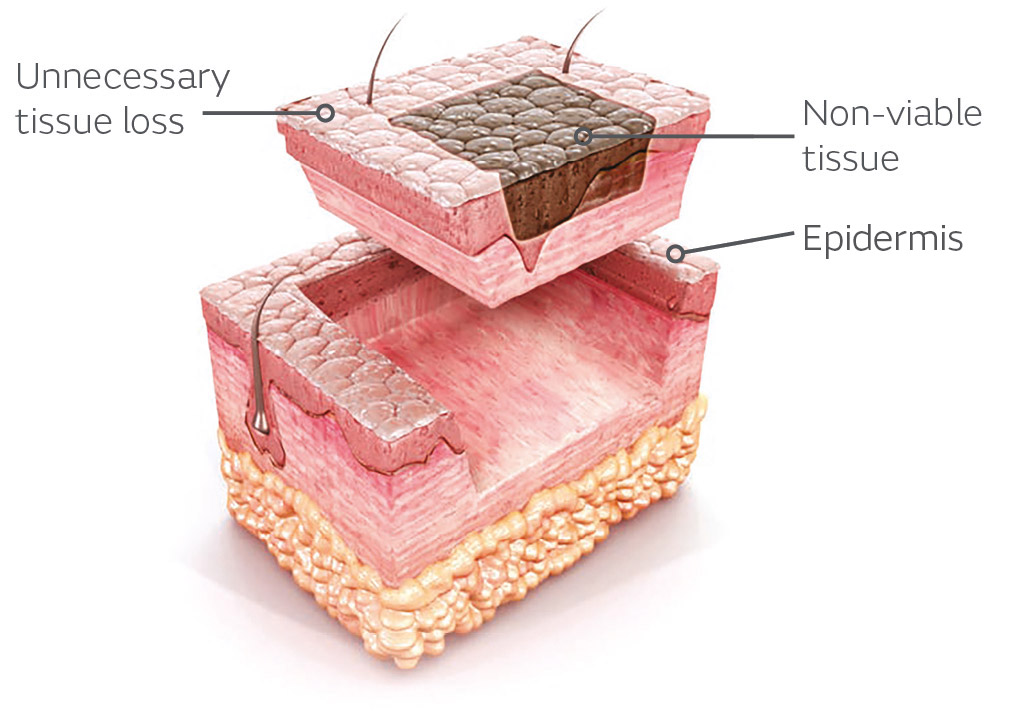
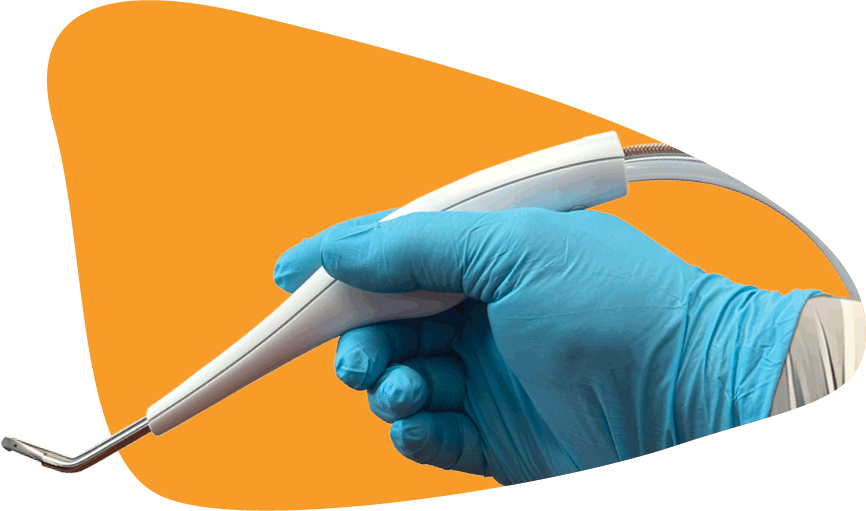
VERSAJET II Hydrosurgery System excision
Streamline debridement procedures
Debride the majority of wound types3-5


Use of the VERSAJET System helped to reduce the odds of unplanned readmission due to Surgical Site Infections by 69%.8
(OR: 0.31; 95% confidence intervals, 0.142–0.677)
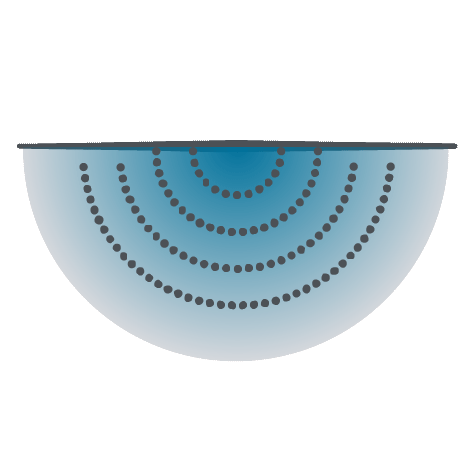

The VERSAJET System provides a smoother, more regular and consistent would bed (ready to receive skin graft).6
*Compared to sharp debridement


90.8% reduction in bacterial count following treatment with the VERSAJET System. Bacterial counts decreased in wounds debrided by the VERSAJET System and pulse lavage.7
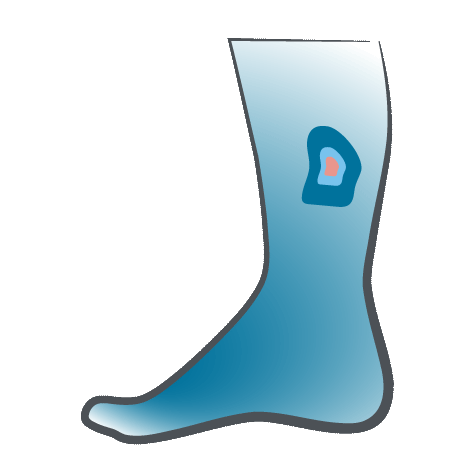

Remove unwanted tissue and contaminants whilst preserving healthy tissue.1,2
Experience the cutting edge
of advanced hydrosurgery.
Clinical evidence
Collection of clinical evidence: VERSAJET Hydrosurgery System
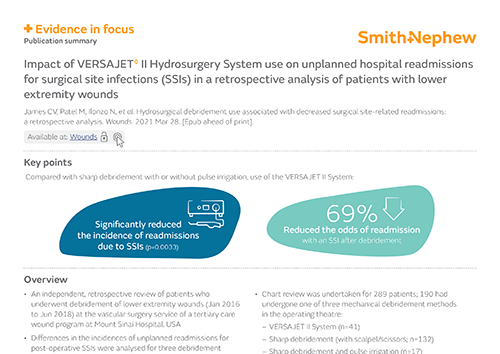
Impact of VERSAJET II Hydrosurgery System use on unplanned hospital readmissions for surgical site infections (SSIs) in a retrospective analysis of patients with lower extremity wounds
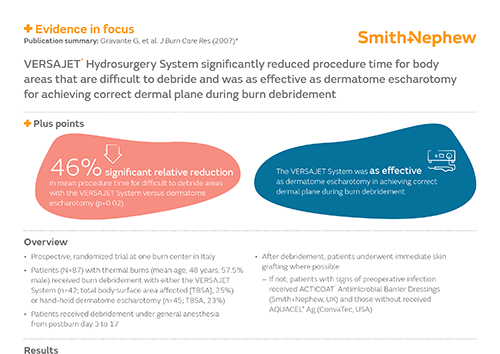
VERSAJET Hydrosurgery System significantly reduced procedure time for body areas that are difficult to debride and was as effective as dermatome escharotomy for achieving correct dermal plane during burn debridement
Accelerate your surgical debridement

Contact us
- Hyland EJ, D’Cruz R, Menon S, et al. Prospective, randomised controlled trial comparing Versajet hydrosurgery and conventional debridement of partial thickness paediatric burns. Burns. 2015;41(4):700–707.
- Matsumura H, Nozaki M, Watanabe K, et al. The Estimation of Tissue Loss During Tangential Hydrosurgical Debridement. Annals Plast Surg. 2012;69(5):521–525.
- Caputo WJ, Beggs DJ, DeFede JL, Simm L, Dharma H. A prospective randomised controlled clinical trial comparing hydrosurgery debridement with conventional surgical debridement in lower extremity ulcers. Int Wound J. 2008;5(2):288–294.
- Liu J, Ko JH, Secretov E, et al. Comparing the hydrosurgery system to conventional debridement techniques for the treatment of delayed healing wounds: a prospective, randomised clinical trial to investigate clinical efficacy and cost-effectiveness. Int Wound J. 2015;12(4):456– 461.
- McAleer JP, Kaplan EM, Perisich G, Axman W. A Prospective Randomized Study Evaluating the Time Efficiency of the VERSAJET™ Hydrosurgery System and Traditional Wound Debridement. Poster presented at: ACFAS 2005; New Orleans, LA.
- Vanwiljck R, Kaba L, Boland S, Azero MG, Delange A, Tourbach S. Immediate skin grafting of sub-acute and chronic wounds debrided by hydrosurgery. J Plast, Reconstr & Aesthetic Surg. 2010;63:544–549.
- Granick MS, Tenenhaus M, Knox KR, Ulm JP. Comparison of Wound Irrigation and Tangential Hydrodissection in Bacterial Clearance of Contaminated Wounds: Results of a Randomized, Controlled Clinical Study. Ostomy Wound Manag 2007;53(4):64–72.
- James CV, Patel M, Ilonzo N, et al. Hydrosurgical debridement use associated with decreased surgical site-related readmissions: a retrospective analysis. Wounds. 2021;33 (6):139–142.